Lodge Morland No. 25 G.L.I
Hyderabad, India
Lodge Morland No. 25 G.L.I
Hyderabad, India
Famous Freemasons
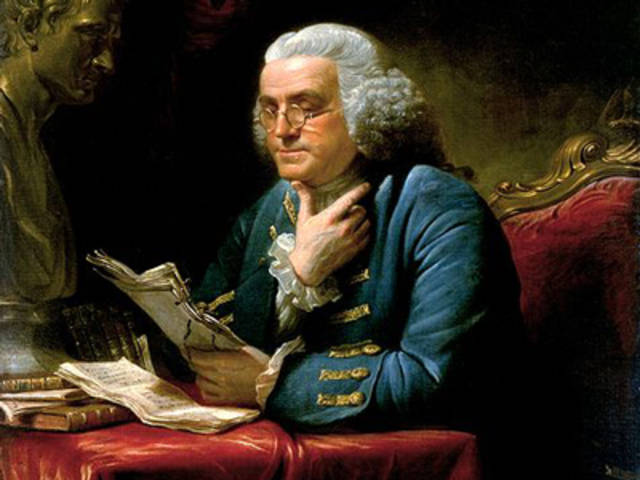
Philadelphia, Pennsylvania, USA 1730
Benjamin Franklin became a member of Saint John’s Lodge in Philadelphia in 1730, a few years after starting his own society, the Leather Apron Club. He remained active in the group for more than 50 years, serving as Grand Master of Pennsylvania in 1734. He also printed the first Masonic publication, “The Constitutions of the Free-Masons,” in the colonies. The book remains one of the rarest in the world, with only 20 verified copies currently. While in Paris during the American Revolution, Franklin served as Venerable Master from 1779 to 1781. His membership in the order didn’t interfere with his role as a Founding Father and American inventor.
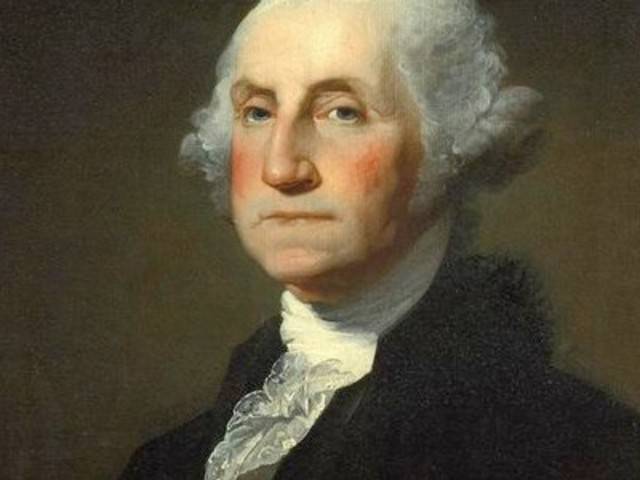
Virginia, USA 1752
Initiated in 1752 at the Fredericksburg Lodge in Virginia, the first President of the United States had a strong relationship with the Masons. Washington performed Masonic rites at the laying of the U.S. Capitol’s cornerstone on September 18, 1793. He remained a member until death and recieved a masonic funeral at the request of his widow. Over the years, many Masons, as well as members of the Knights Templar, have taken pilgrimages to Mount Vernon, the location of Washington’s tomb. A statue of Washington commissioned by the state of Virginia greets visitors at the Scottish Rite Museum and Library in Lexington, Mass.
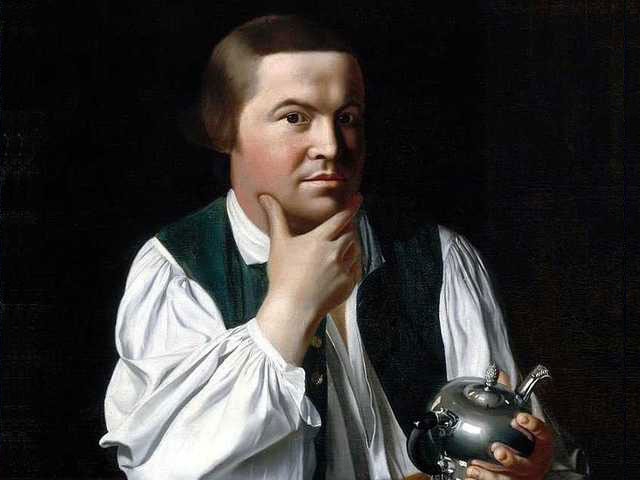
Boston, Massachusetts, USA 1760
After his initiation in 1760, Paul Revere served as Grand Master of the Grand Lodge of Massachusetts from 1795 to 1797. He contributed to the creation of many lodges within his home state and instituted new positions and traditions. His son also became a Freemason. To this day, no one really knows who started the Boston Tea Party, but many historians speculate early members of the colonial Freemasons may have contributed.
Paris, France 1778
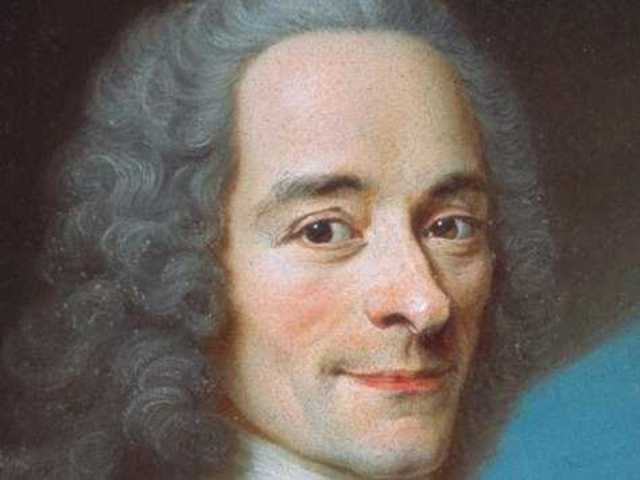
François-Marie Arouet wrote under the name Voltaire. Initiated at the Lodge of Nine Sisters in 1778, he wrote many notable books, including “Candide” and “Dictionnaire Philosophique.” The ideas in these books heavily influenced the Enlightenment and the French Revolution. Benjamin Franklin partly founded the Lodge of Nine Sisters and reportedly urged Voltaire to join. The two shared a friendship outside the society, as well.
Zur Wohltätigkeit (Charity) Lodge
Vienna, Austria 1784
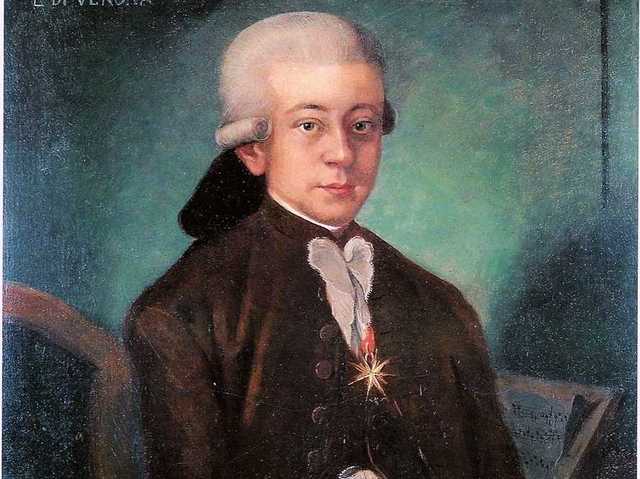
An Austrian composer and son of a Freemason, Mozart created a number of masonic musical numbers during his prolific career. He joined the Zur Wohltätigkeit (Charity) Lodge in Austria in 1784. Unfortunately, just as Mozart’s life came to a close, so did Freemasonry in Austria due to political uncertainties. (The country later revived Freemasonry.) Famous musicians often dabbled in Freemasonry. For example, Franz Joseph Haydn belonged to the same lodge as Mozart, while Johann Christian Bach joined in London.
Cadiz, Spain 1803
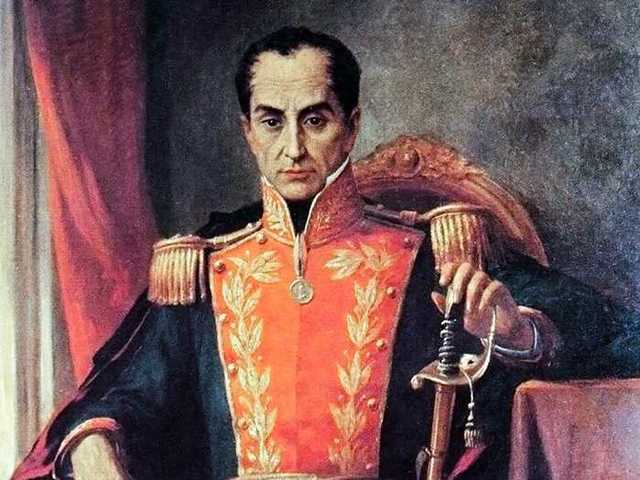
South American liberator and political leader Simón Bolívar led the great struggle for independence from the Spanish Empire. Initiated in 1803 at Masonic Lodge “Lautaro” in Cadiz, Spain, he served as president of both Columbia and Peru. In April 1824, Bolívar recieved the 33rd degree of Inspector General Honorary, the highest position in Freemasons. While his revolutionary ideals seem at odds with the peace-keeping mission of the Masons, many scholars believe Bolívar’s decision to free Venezuela sprouted in Masonic meetings. There, he met his peers, José de San Martín and Mariano Moreno, among other South American pro-independence notables.
Hudson Lodge No. 68
Hudson, Ohio, USA 1824
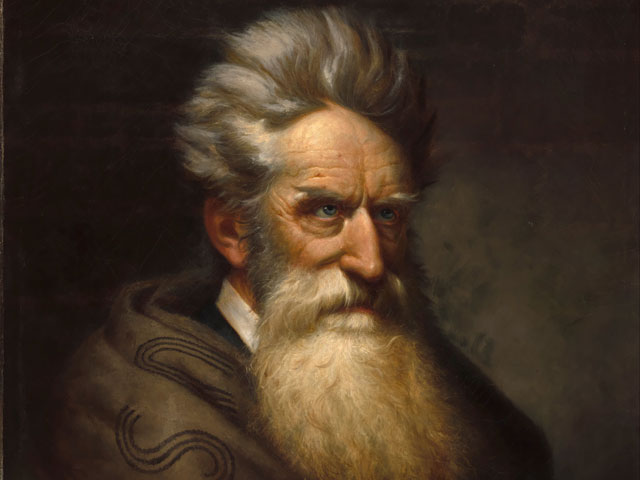
A militant abolitionist, John Brown joined the Freemasons in Ohio in 1824. However, he later quit after speculation that he was involved in the disappearance of William Morgan. There were rumors that Freemasons had kidnapped and murdered Morgan, a brickmason who visited Masonic lodges. The speculation, which Freemasons denied, fueled talk that the group engaged in satanic rituals. Many historians consider Brown’s raid on slaveholders at Harper’s Ferry in Virginia to have sparked the Civil War. He was reportedly buried with Masonic honors, and his son joined the order, as well.
Polar Star Lodge No. 79
St. Louis, Missouri, USA 1861
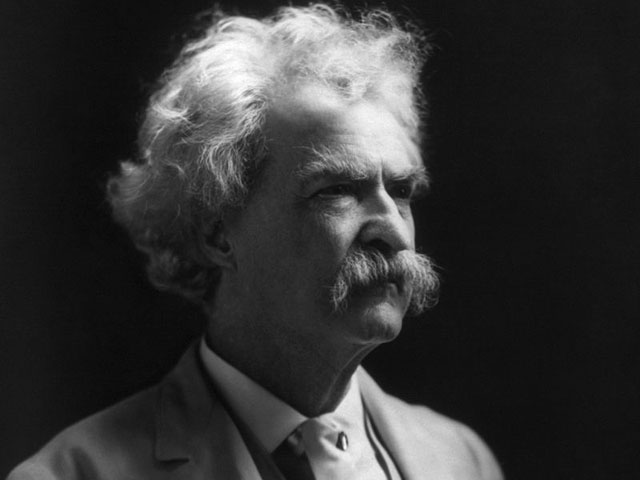
Better known as literary giant Mark Twain, Samuel Clemens became a member of the Polar Star Lodge No. 79 in St. Louis in 1861. Within a few months of joining, he ascended to Master Mason. In “Tom Sawyer’s Conspiracy,” Twain makes one of his many literary references to the Masons by characterizing a pillar of the local community as a member. Other authors, such as Jonathon Swift and John Steinbeck, also belonged to the order.
Anchor and Hope Lodge No. 234
Calcutta, India 1884
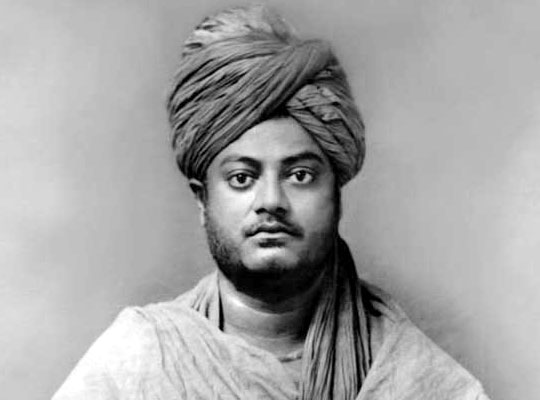
Swami Vivekananda, born Narendranath Datta, was an Indian Hindu monk and the chief disciple of the mystic Ramakrishna. He joined the Anchor and Hope Masonic Lodge in 1884 and became a Master Mason the same year. During his difficult days in Chicago in 1894, fellow Freemasons supported him with letters of introduction. Vivekananda introduced Vedanta and Yoga to the Western world, promoted interfaith understanding, and helped revive Hinduism in India. He founded the Ramakrishna Math and Mission, and is renowned for his iconic 1893 Chicago address beginning with “Sisters and brothers of America.
Dorset, UK 1898
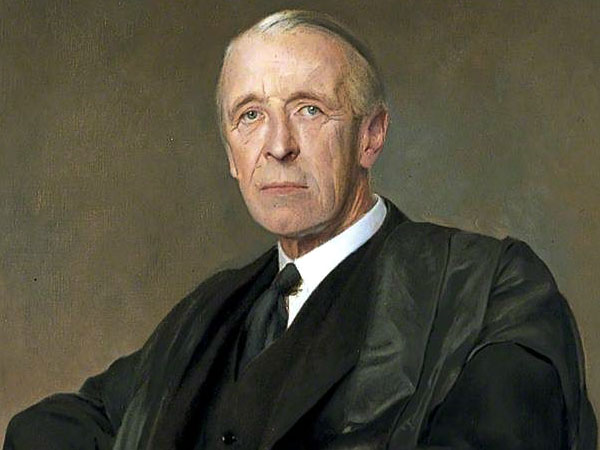
Frederic Thesiger, 1st Viscount Chelmsford, GCSI, GCMG, GCIE, GBE, PC was initiated 1 June 1898 in Lodge of Amity No. 137 EC. Grand Master of the United Grand Lodge of NSW 1910-1913. He was a British statesman who served as Governor of Queensland from 1905 to 1909, Governor of New South Wales from 1909 to 1913, and Viceroy of India from 1916 to 1921, where he was responsible for the creation of the Montagu-Chelmsford reforms. After serving a short time as First Lord of the Admiralty in the government of Ramsay MacDonald, he was appointed the Agent-General for New South Wales by the government of Jack Lang before his retirement.
Studholme Alliance Lodge No. 1591
London, UK 1901
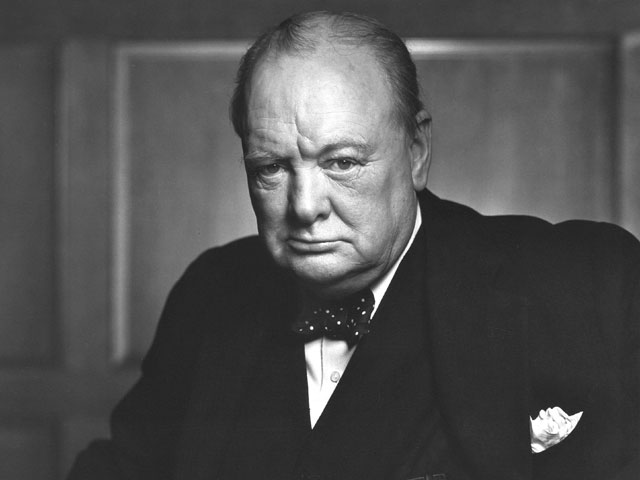
A two-time British Prime Minister and honorary citizen of the United States, Winston Churchill became a member of the English Masons in 1901. While he had a family history with the Masons, as well as many Mason friends, Churchill personally had little to do with the order outside of limited social engagements. He only made Masonic contact on two recorded occasions and resigned from his lodge in 1912.
Belton Lodge No. 450
Grandview, Missouri, USA 1909
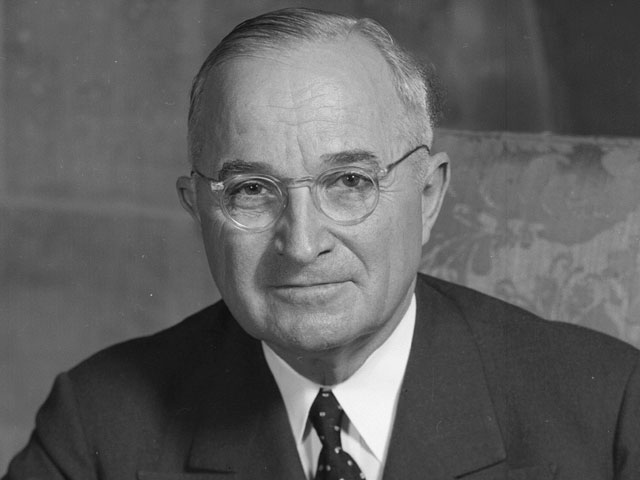
Initiated in 1909, Truman quickly climbed the Masonic hierarchy, becoming Grand Master of the Grand Lodge of Missouri from 1940 to 1941. In 1945, coincidentally the same year he assumed the office of the Presidency, the organization honored him as 33rd Degree Scottish Rite Mason. Truman described the Freemasons in a 1939 letter to his wife, according to the Truman Library. “Freemasonry is a system of morals which makes it easier to live with your fellow man, whether he understands it or not,” he wrote.
Sancta Maria Lodge No. 2682
London, UK 1909
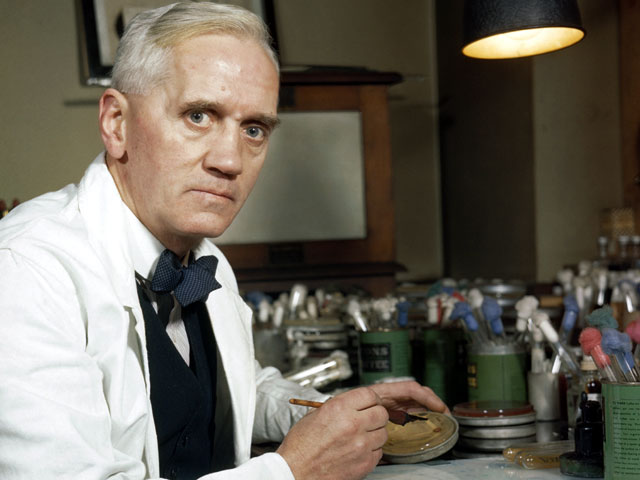
Initiated in 1909 in London, Scottish biologist Alexander Fleming discovered the curative properties of penicillin, one of the most widely used antibiotics today. He became the master of his lodge in 1924 and received the Nobel Peace Prize in 1945.
Sequoia Lodge No. 349
Oakland, California, USA 1919
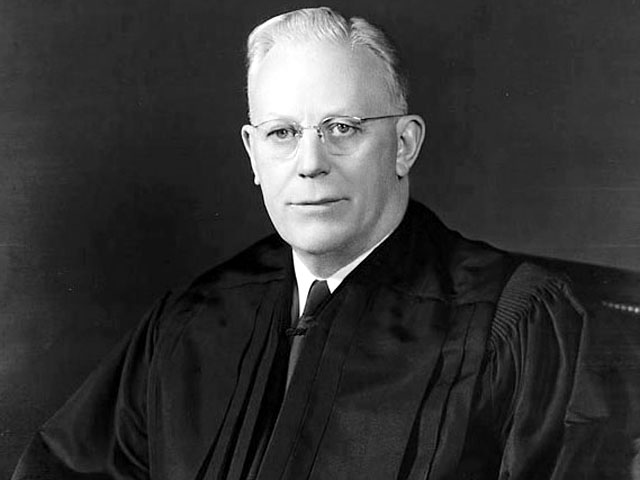
Earl Warren, an influential Supreme Court Chief Justice from 1953 to 1969, joined Sequoia Lodge No. 349 in California, according to Jim Newton’s “Justice for All: Earl Warren and the Nation He Made.” Not a month passed where he didn’t regularly attend meetings, Newton wrote. Warren’s ideologies on the bench most notably ended school segregation in Brown v. Board of Education. His other landmark rulings include: Gideon v. Wainwright, Reynolds v. Sims, and Miranda v. Arizona.
Washington, DC, USA 1919
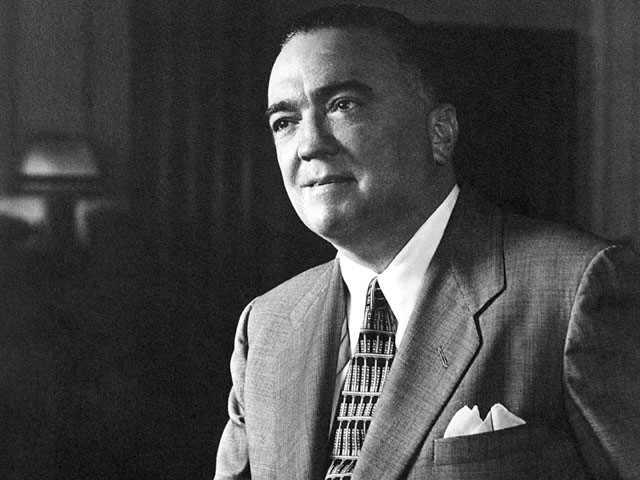
J. Edgar Hoover — the most famous director of the FBI — was also an active member of the Freemasons. Initiated in 1920 at D.C.’s Federal Lodge No. 1, he became a Master Mason by age 25 and a 33rd Degree Inspector General Honorary in 1955. He also received the Grand Cross of Honor — the highest recognition by the Scottish Rite — in 1965. A first-floor room in the Mason’s House of the Temple even reconstructs his office.
Lodge Tarbolton No. 12
New South Wales, Australia 1929
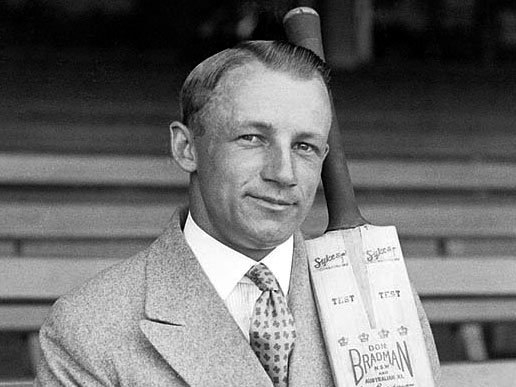
Sir Donald Bradman AC, initiated into Lodge Tarbolton No. 12 (UGLNSW) on 26 November 1929, was an Australian cricketer widely regarded as the greatest batsman of all time. His Test average of 99.94 remains unmatched and is often called the greatest achievement in any major sport. After retiring, Bradman served the game as an administrator, selector, and writer, maintaining immense influence. Celebrated as a national icon, he was named the “greatest living Australian” in 1997. His image appears on stamps, coins, and a dedicated museum, and he was inducted into the ICC Cricket Hall of Fame in 2009.
Manila, Philippines 1936
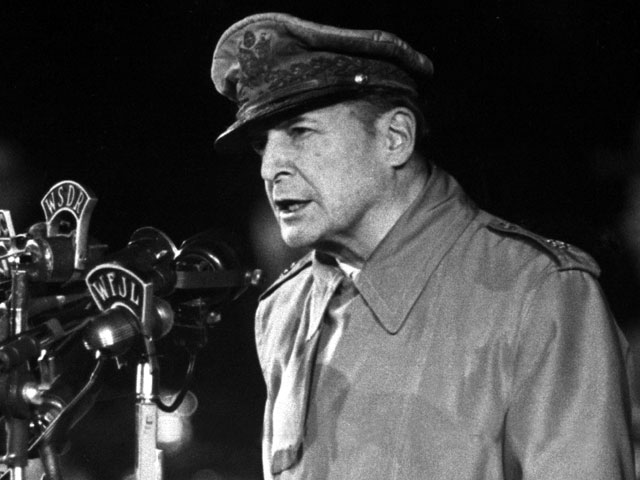
Made a “Mason on sight,” meaning his initiation wasn’t explicitly planned, Douglas MacArthur is considered the “liberator” of the Philippines. But President Truman, another Freemason, later relieved him of his command in 1951. Arthur MacArthur, his father, also belonged to the order and served as Master Mason at Magnolia Lodge No. 60 in Little Rock, Ark.
Navy Lodge No. 2612
London, UK 1952
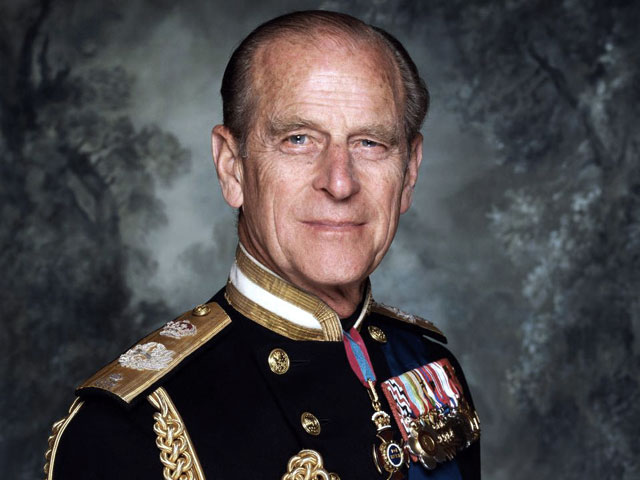
Prince Philip, Duke of Edinburgh and husband of Queen Elizabeth II, was initiated into Freemasonry at Navy Lodge No. 2612, London, on 5 December 1952. Born into the Greek and Danish royal families, he later joined the British Royal Navy and served with distinction in World War II. He married Elizabeth in 1947 and became Duke of Edinburgh shortly before the wedding. Philip left active service when Elizabeth became queen in 1952 and was made a British prince in 1957. A patron or member of over 780 organisations, he also chaired The Duke of Edinburgh’s Award. He became the longest-serving consort in British history and retired from royal duties in 2017 at age 96.
Concord Lodge No. 688
New Concord, Ohio, USA 1978
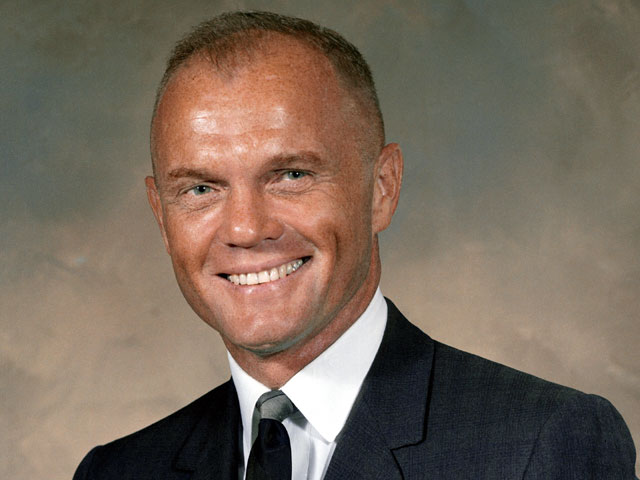
Made a “mason at sight” in 1978, astronaut and politician John Glenn served in the Concord Lodge No. 688 in Ohio. The Grand Master of Ohio decided to induct Glenn after he circled the planet and served four consecutive terms in the Senate. Glenn eventually became a 33rd Degree Scottish Rite Mason in 1998 and recieved a sacred ring on display at the National Heritage Museum & Library. The Masons also inducted Buzz Aldrin, the second person to walk on the moon.
Charity Jarman Lodge No. 362
Campbell, California, USA 1980
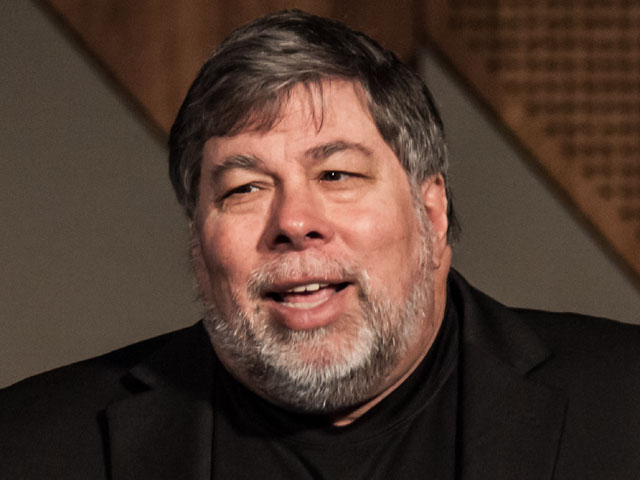
One of the co-founders of Apple, Steve Wozniak joined joined the Freemasons in 1980 at the Charity Lodge No. 362 in California. He’s one of the most famous current members.
Chicago, USA 1987
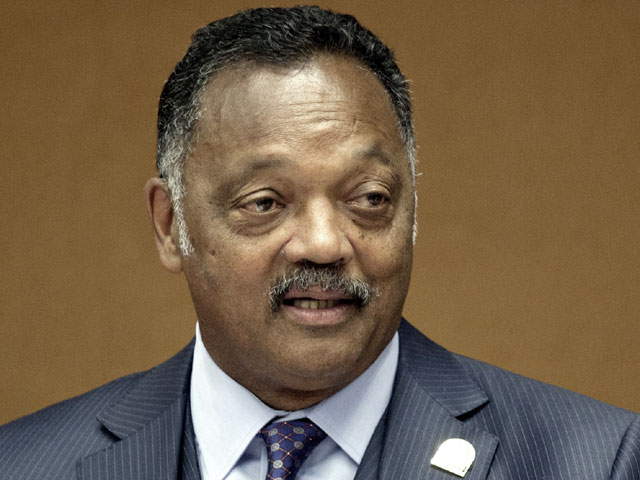
Initiated in 1987, the Reverend Jesse Jackson is believed a 33rd Degree Prince Hall Freemason, a sect that famously severed ties with mainstream Grand Lodges over racial tensions. He reportedly became a Master Mason in 1987. Jackson joined the Harmony Lodge No. 88 in Chicago and continues his work with the Masons to this day, along with his civil rights work.
Sources:
- 17 Of The Most Influential Freemasons Ever by Christina Sterbenz & Robert Johnson
- Wikipedia